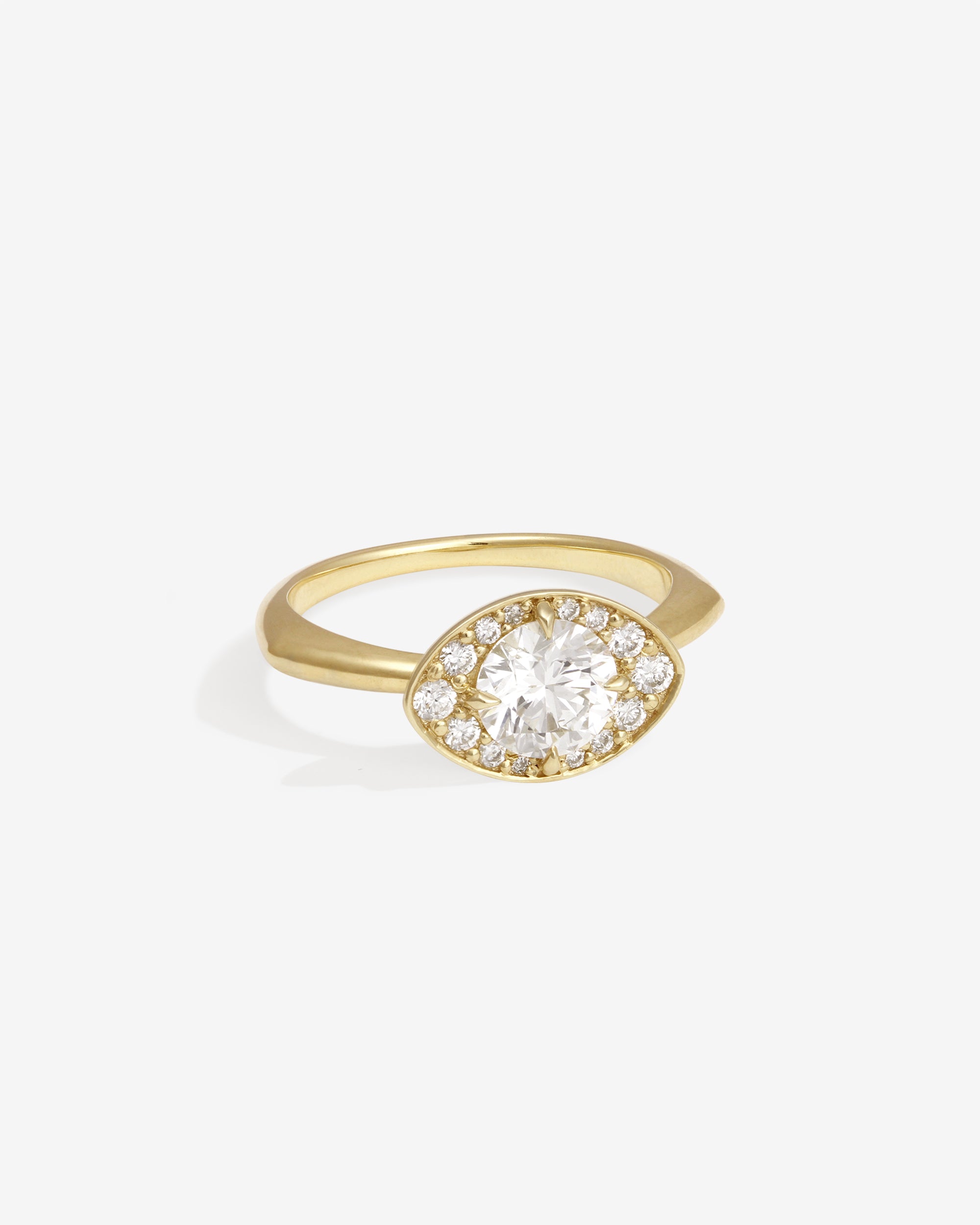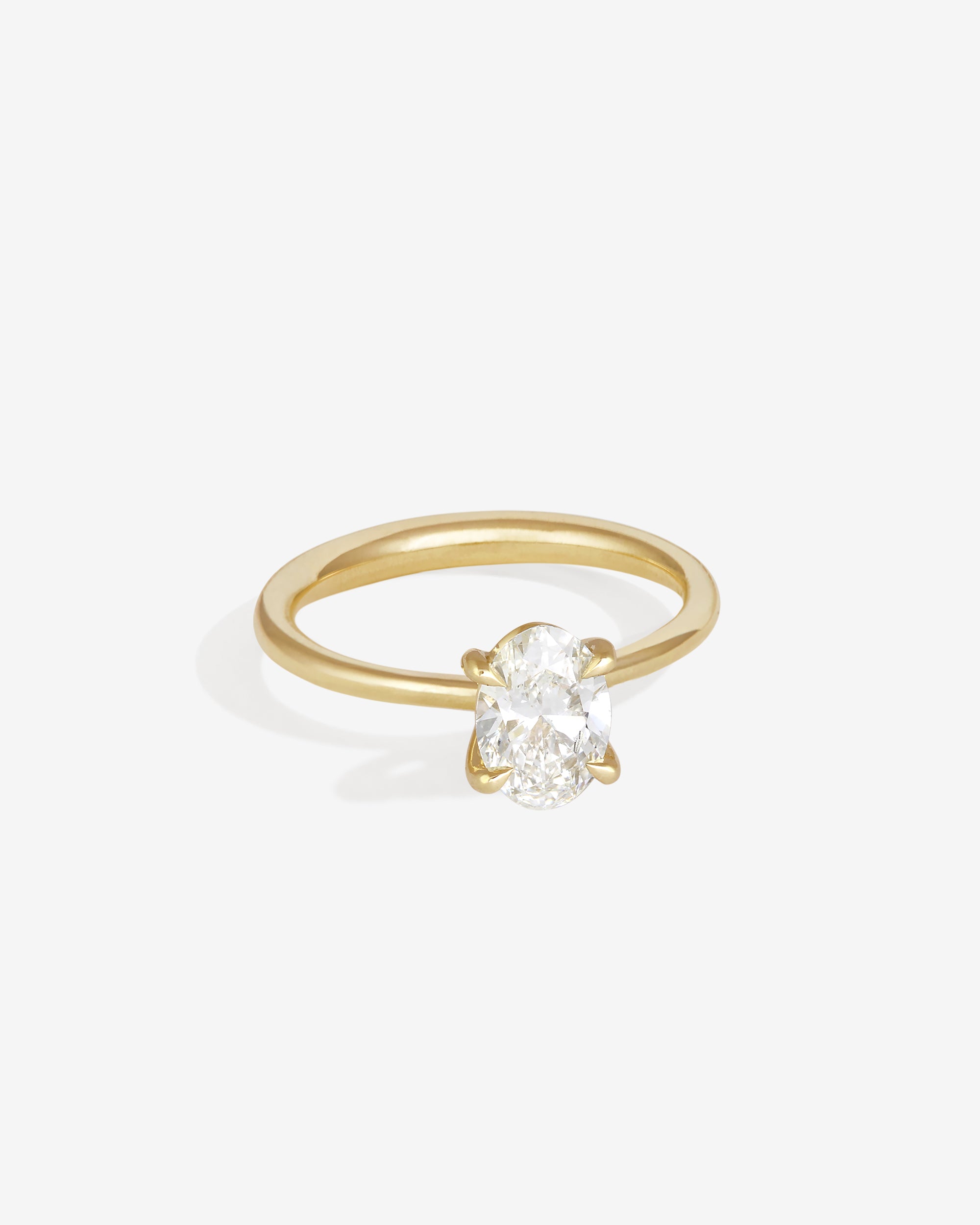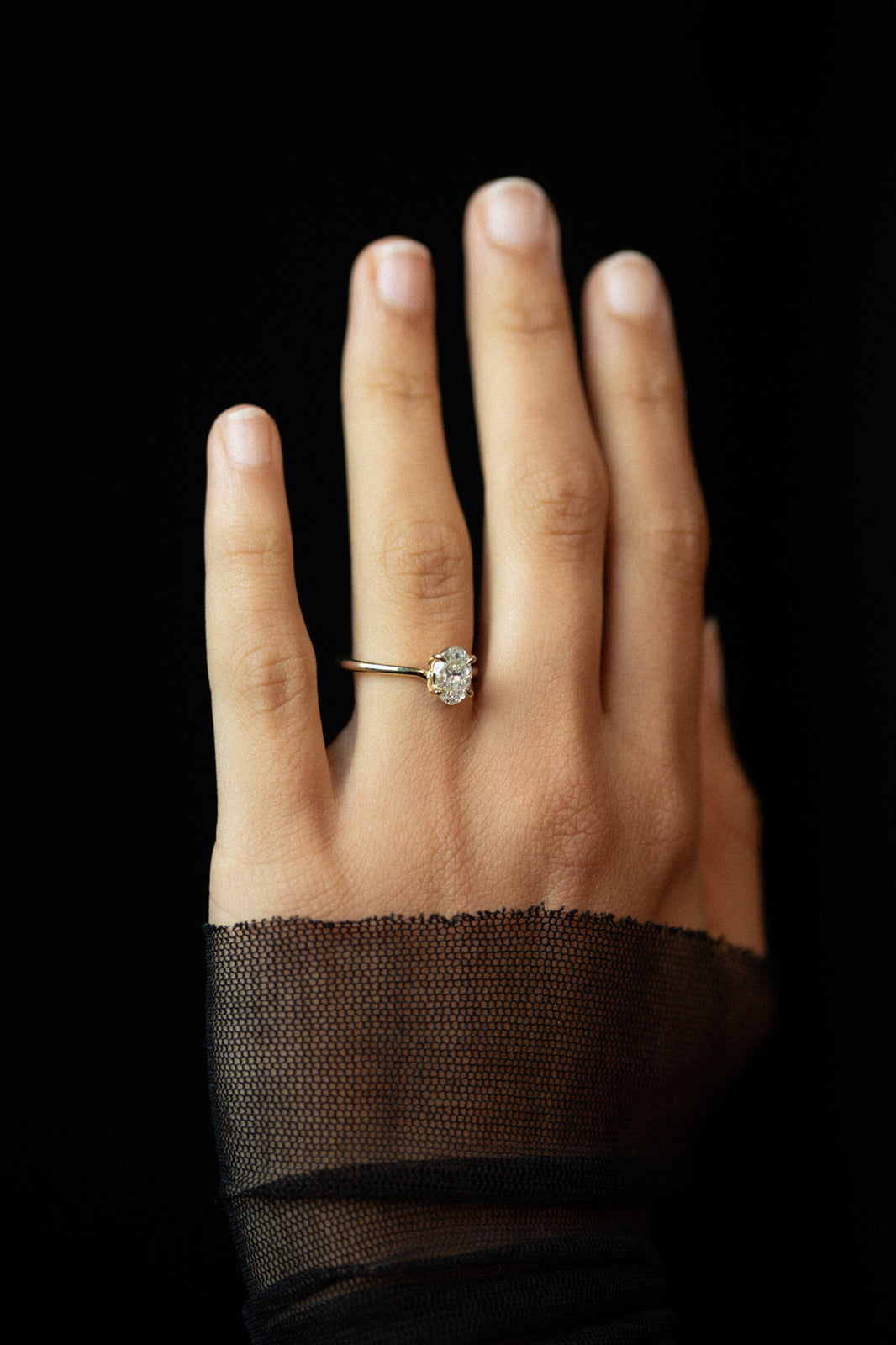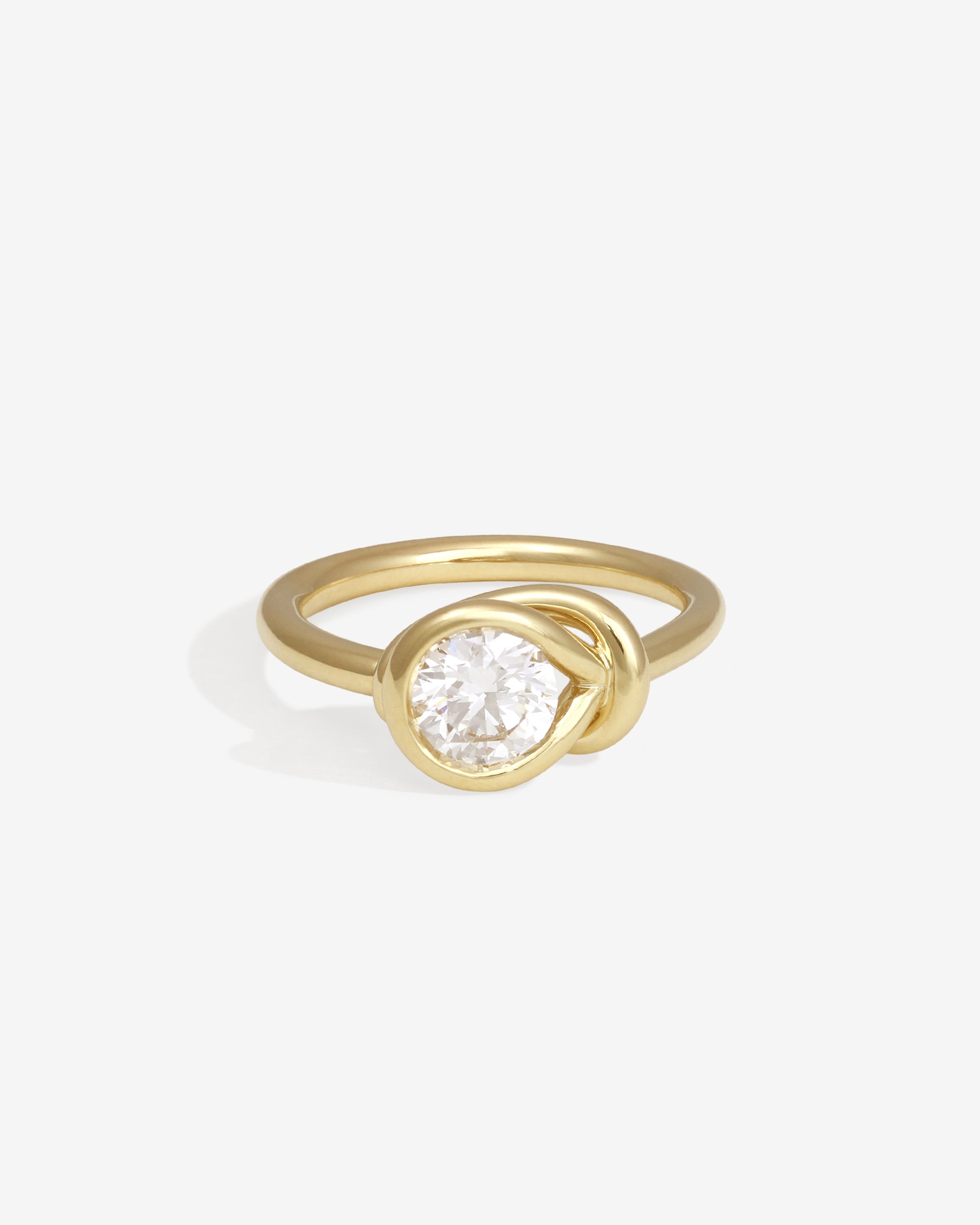

Colour, clarity, carat, cut.
It's often thought it's actually the gemstones that find you, so tune in to the process and take note of which diamonds you find yourself drawn to. To guide your way, keep in mind the shape and the "4 C's" (colour, clarity, carat, cut), an international grading system that is used to evaluate the quality.
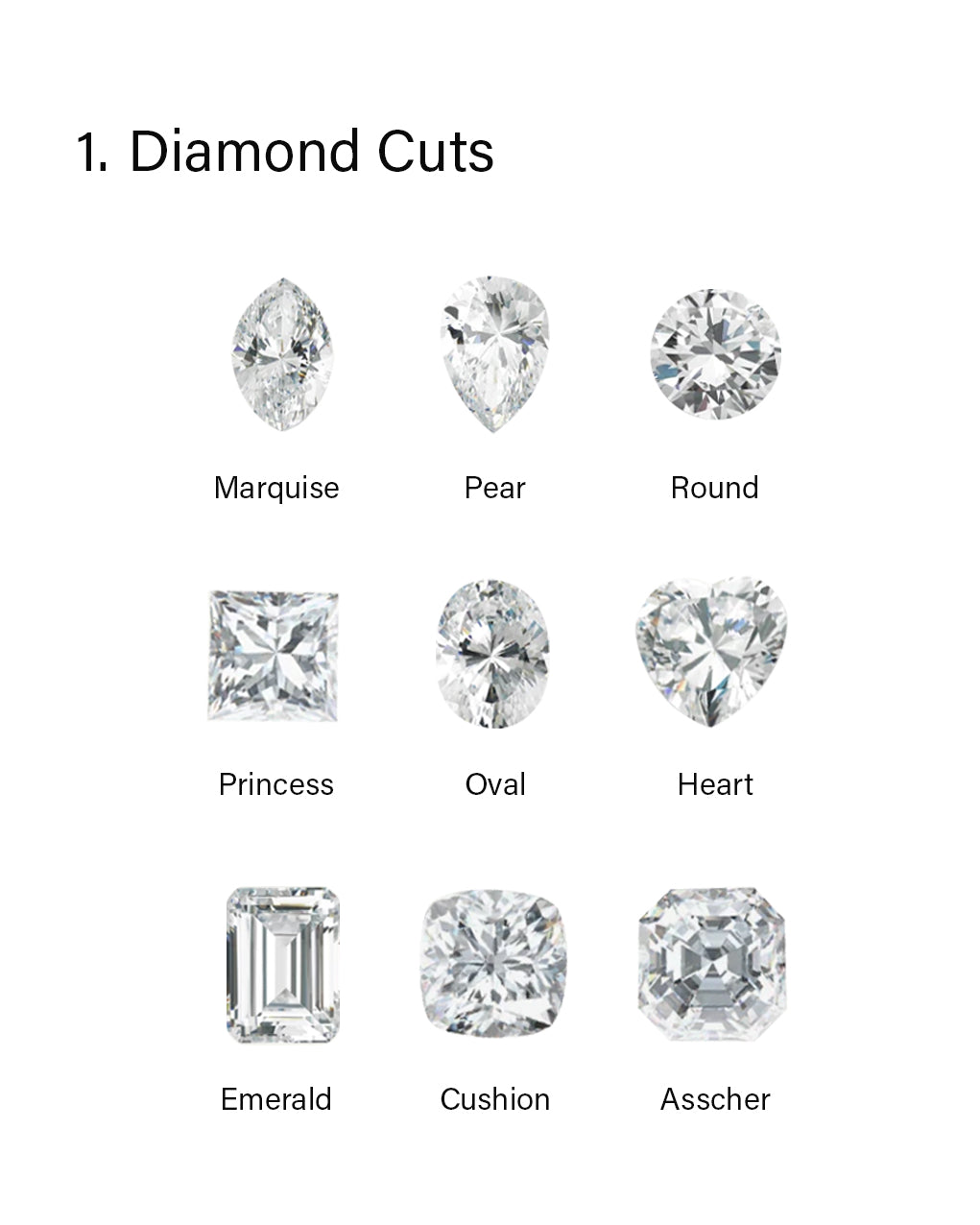
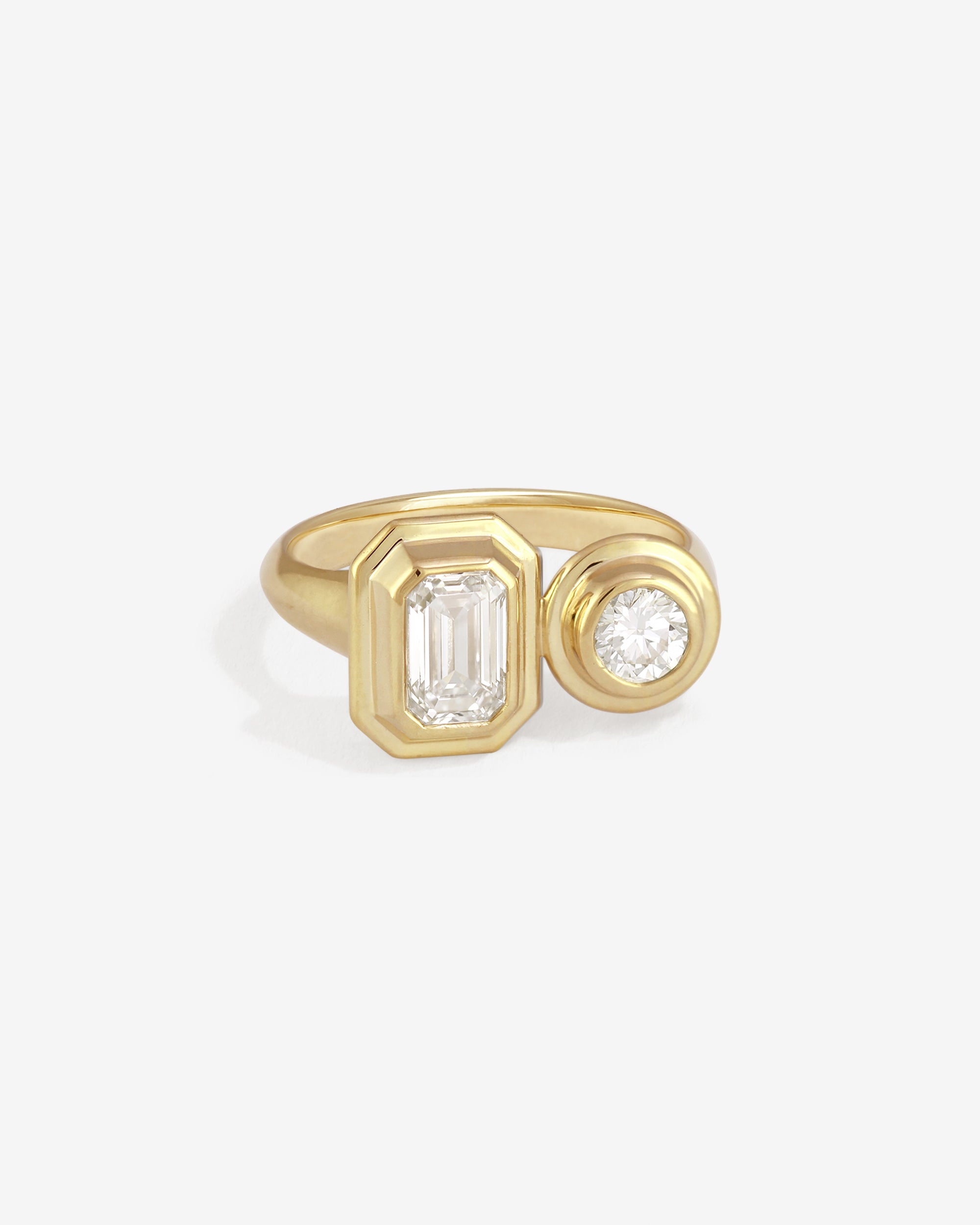
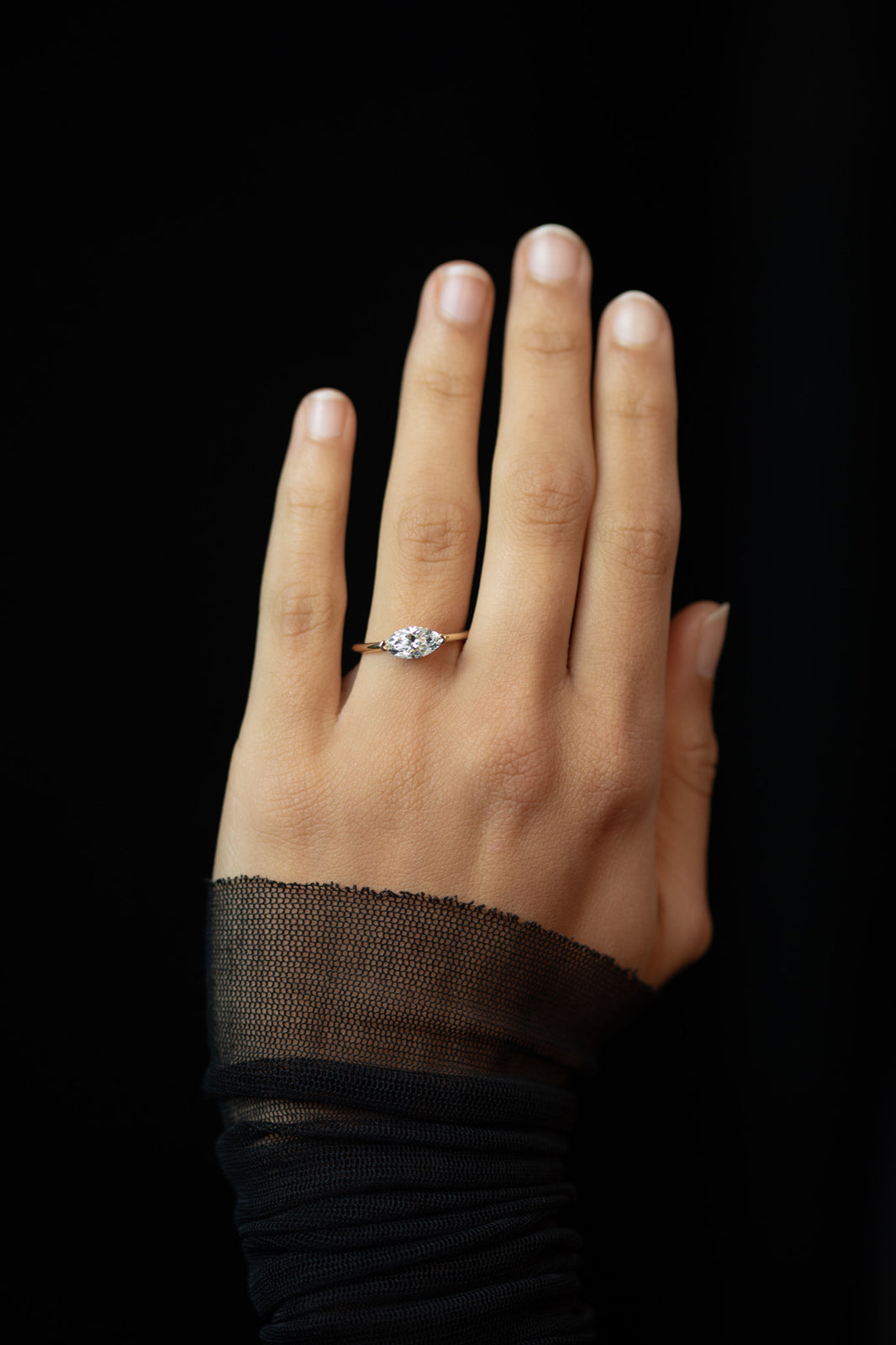
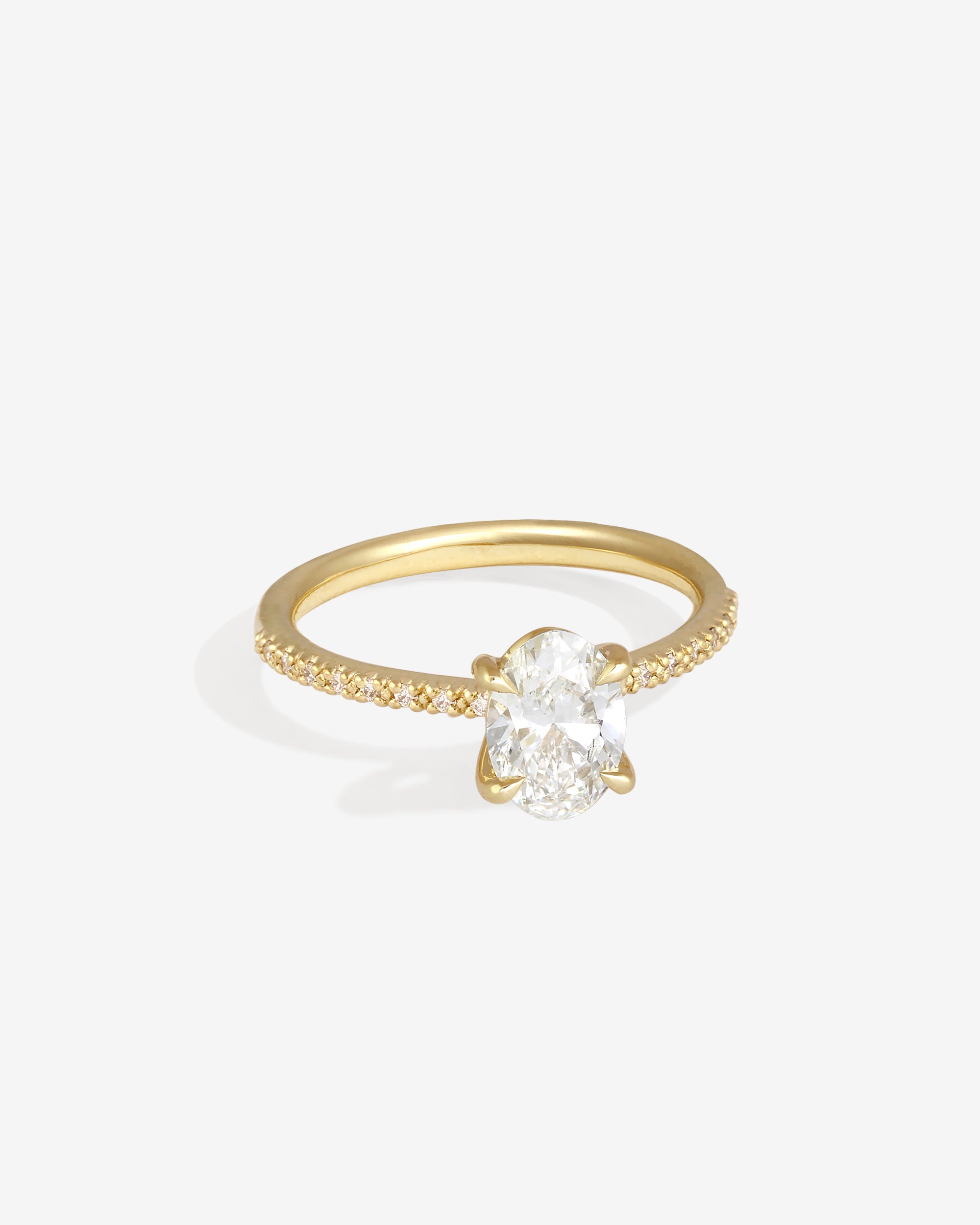
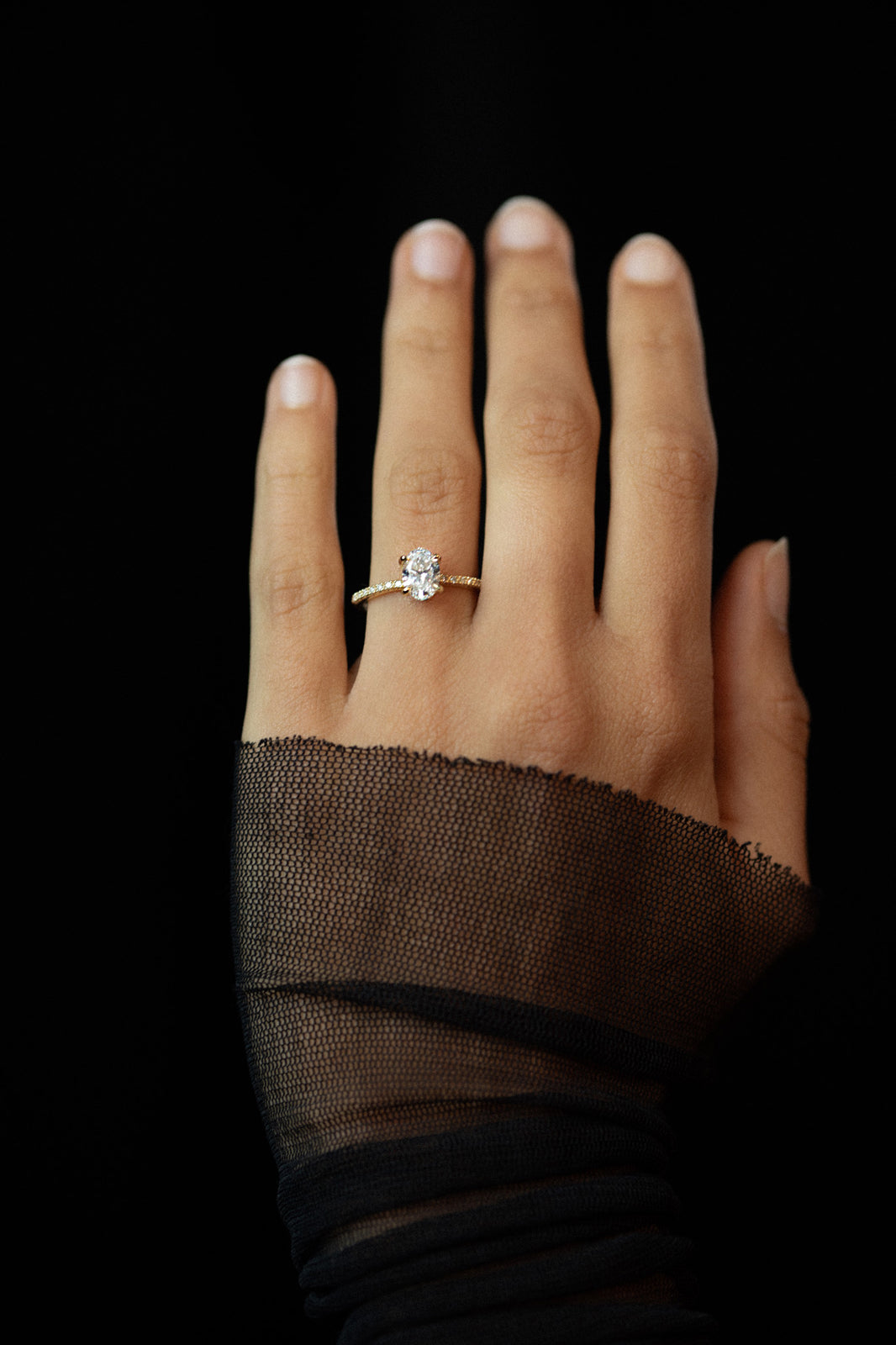
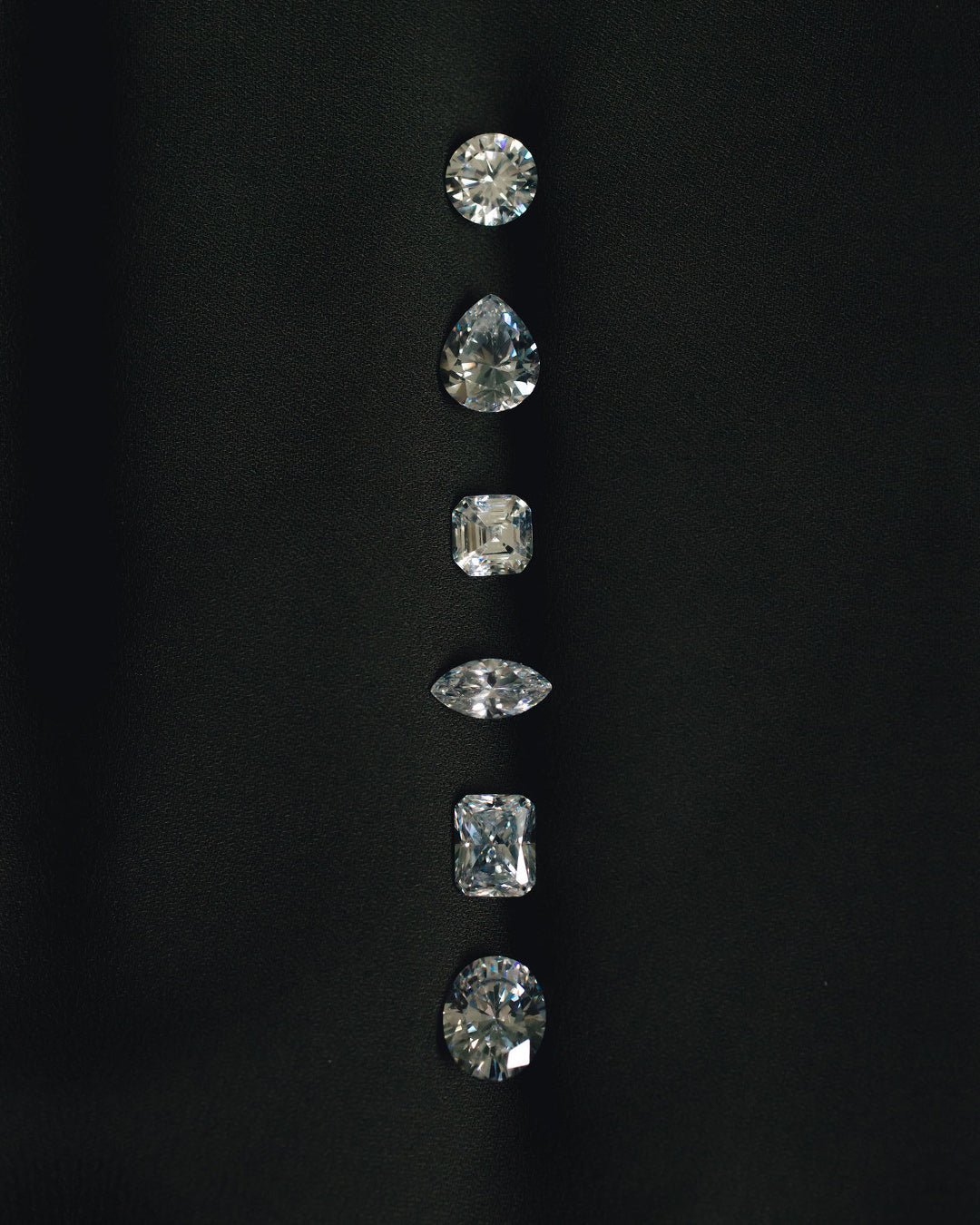
The cut of a diamond isn’t just about its shape - it’s the craftsmanship behind its facets, symmetry, and polish that gives it sparkle and life. Each style, from the classic Round Brilliant to the refined Emerald, the edgy Princess, or the timeless Asscher, offers a unique light dance and personality. Explore the distinct beauty of each cut and discover which silhouette captures your heart.
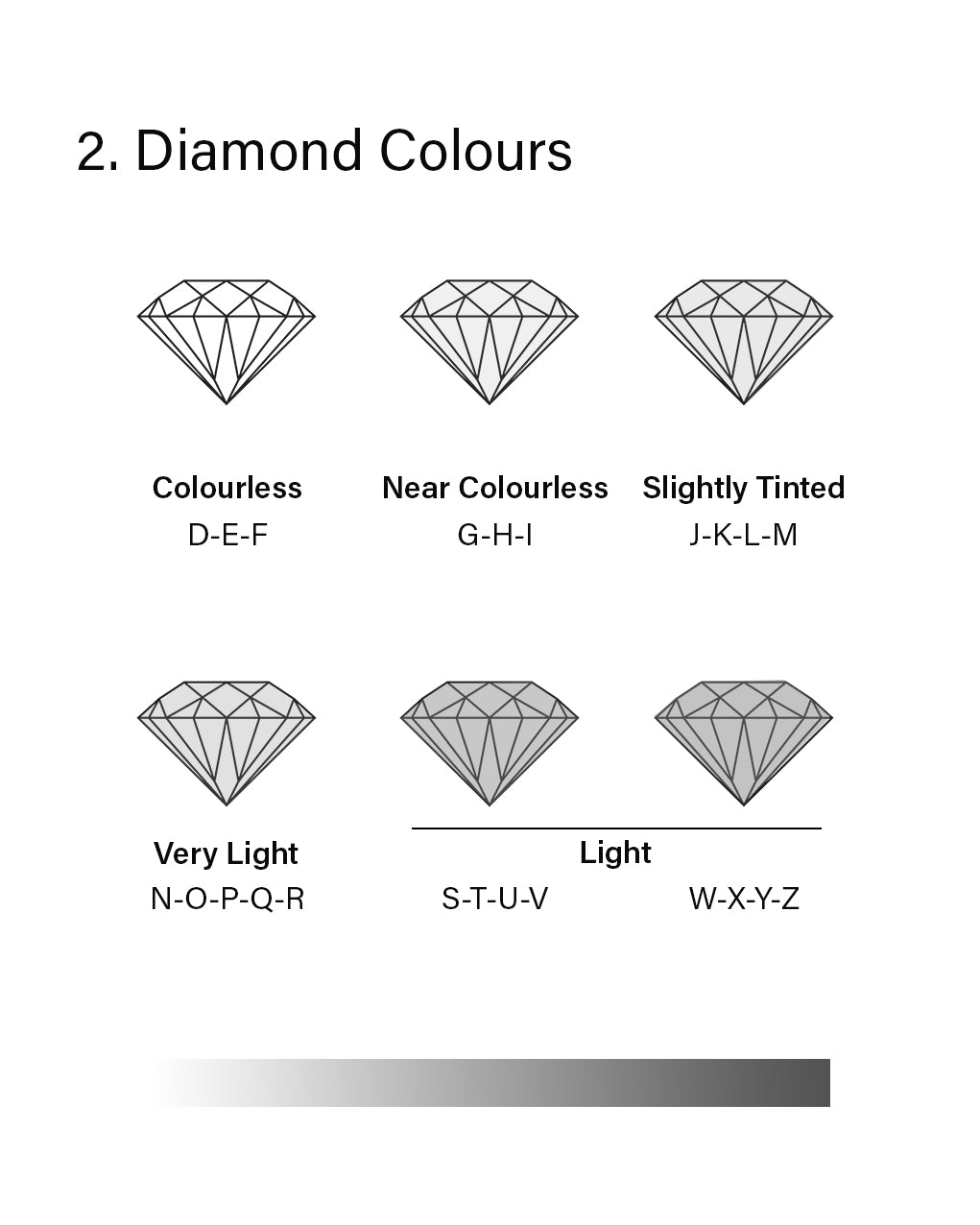
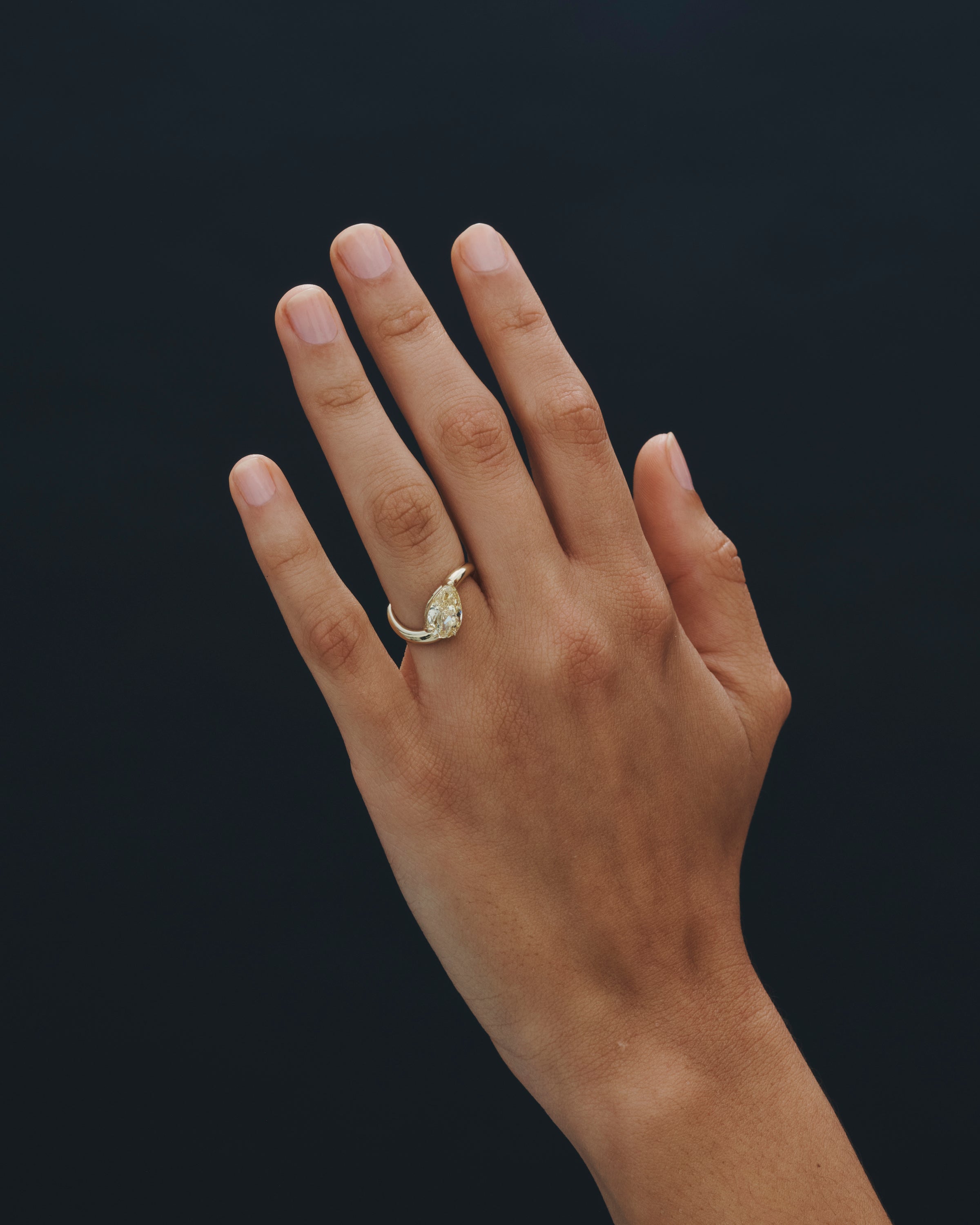
Diamonds are graded according to their colour based on a letter system starting with D (colourless) to Z (saturated). Whilst colourless diamonds are the most popular, intensely coloured diamonds such as yellow, red, green, blue or black are termed "fancy" colour diamonds.
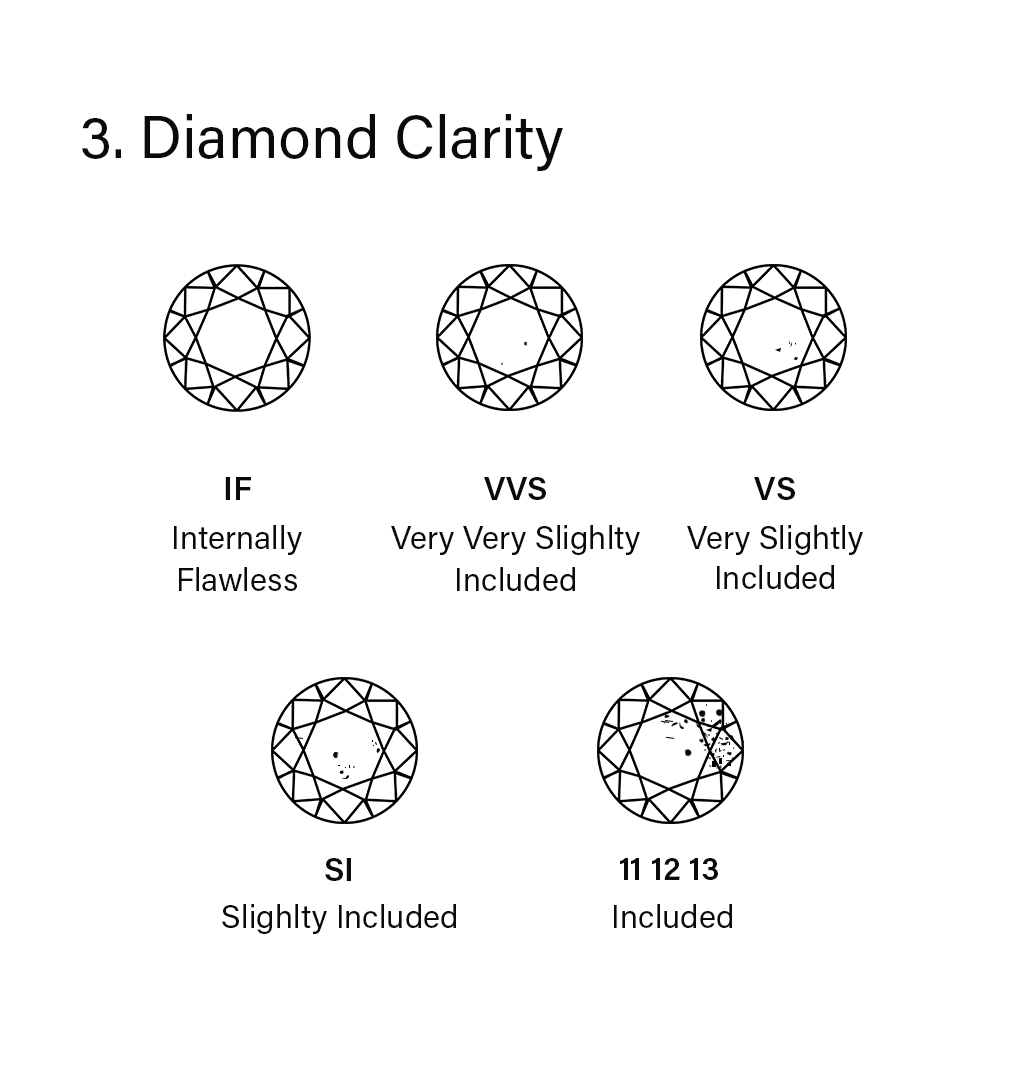
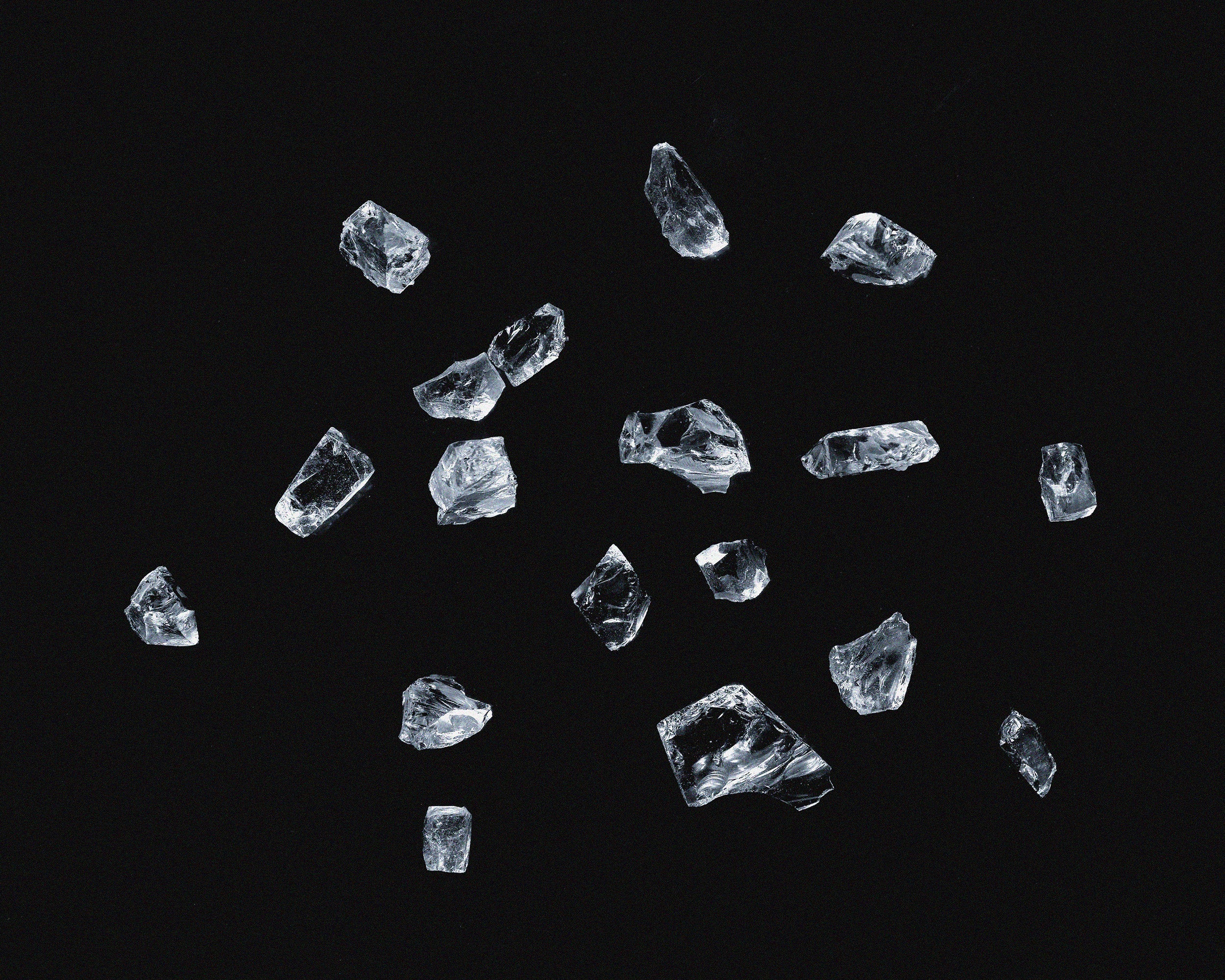
The amount, size and placement of imperfections or blemishes also known as "inclusions" are measured when speaking about a diamonds clarity. Clarity is referred to on a scale starting with IF (internally flawless) through to I3 which is the most included. It is important to remember inclusions occur in both natural and lab diamonds.
Diamond clarity refers to the extent to which internal and external imperfections, known as inclusions and blemishes, are present within a diamond.
Inclusions are tiny internal flaws that may include minerals, fractures, or other imperfections formed during the diamond's growth process. Blemishes, on the other hand, are surface imperfections or irregularities, such as scratches or chips.
Clarity affects a diamond's appearance. Diamonds with higher clarity grades display more brilliance. Diamonds are graded for clarity on a scale that ranges from "Flawless" to "Included" In between these extremes, there are various grades as showcased below.
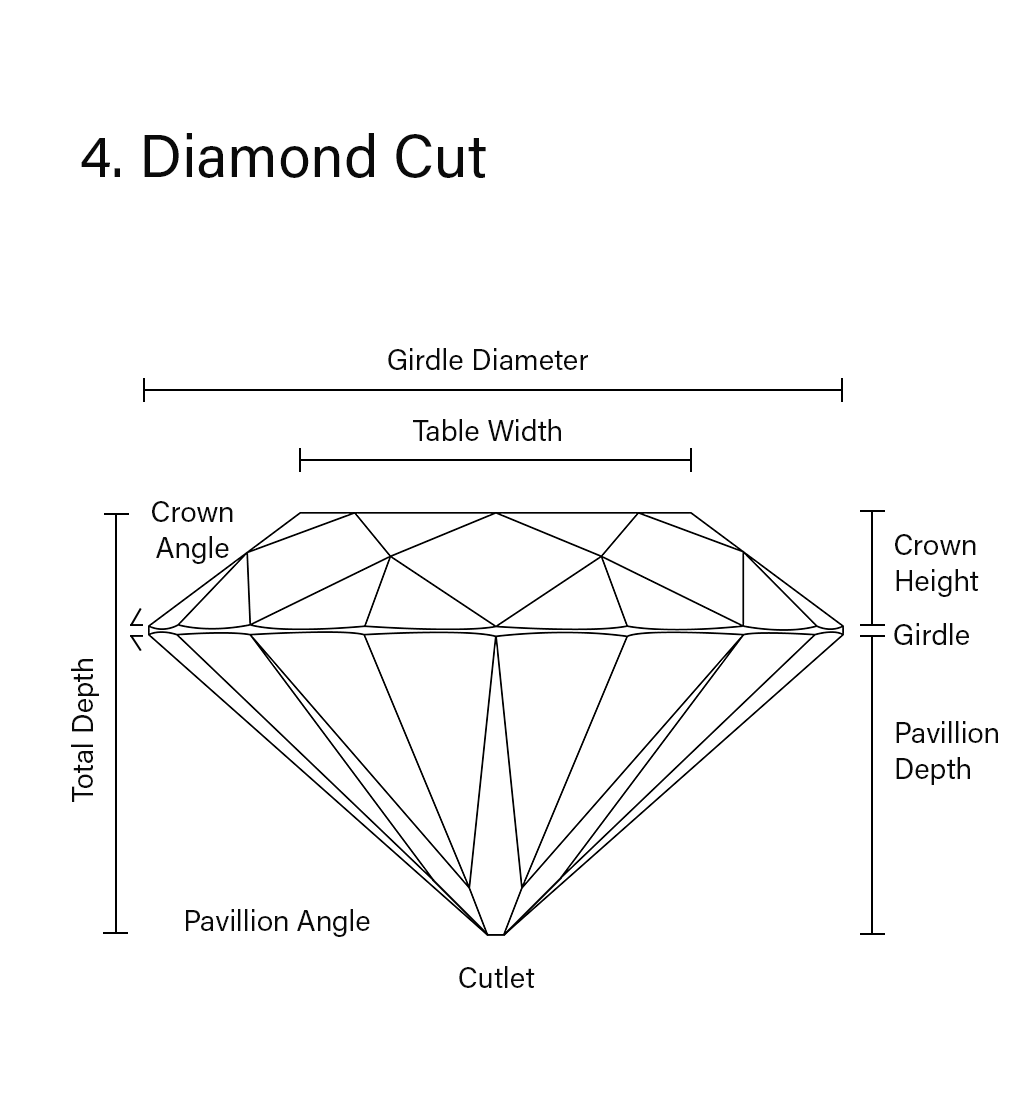
The cut of a diamond is what will give the gemstone its sparkle. When referring to the cut of the diamond, we're not referring to the shape, but instead speaking to the precision, symmetry, polish and arrangement of facets cut into the stone. The cut is the true mark of quality craftsmanship and delivers the brilliance and sparkle to a diamond. Every style of cut achieves a different aesthetic and reflective effect, so it is entirely a matter of taste so explore different cuts to find your favourite.
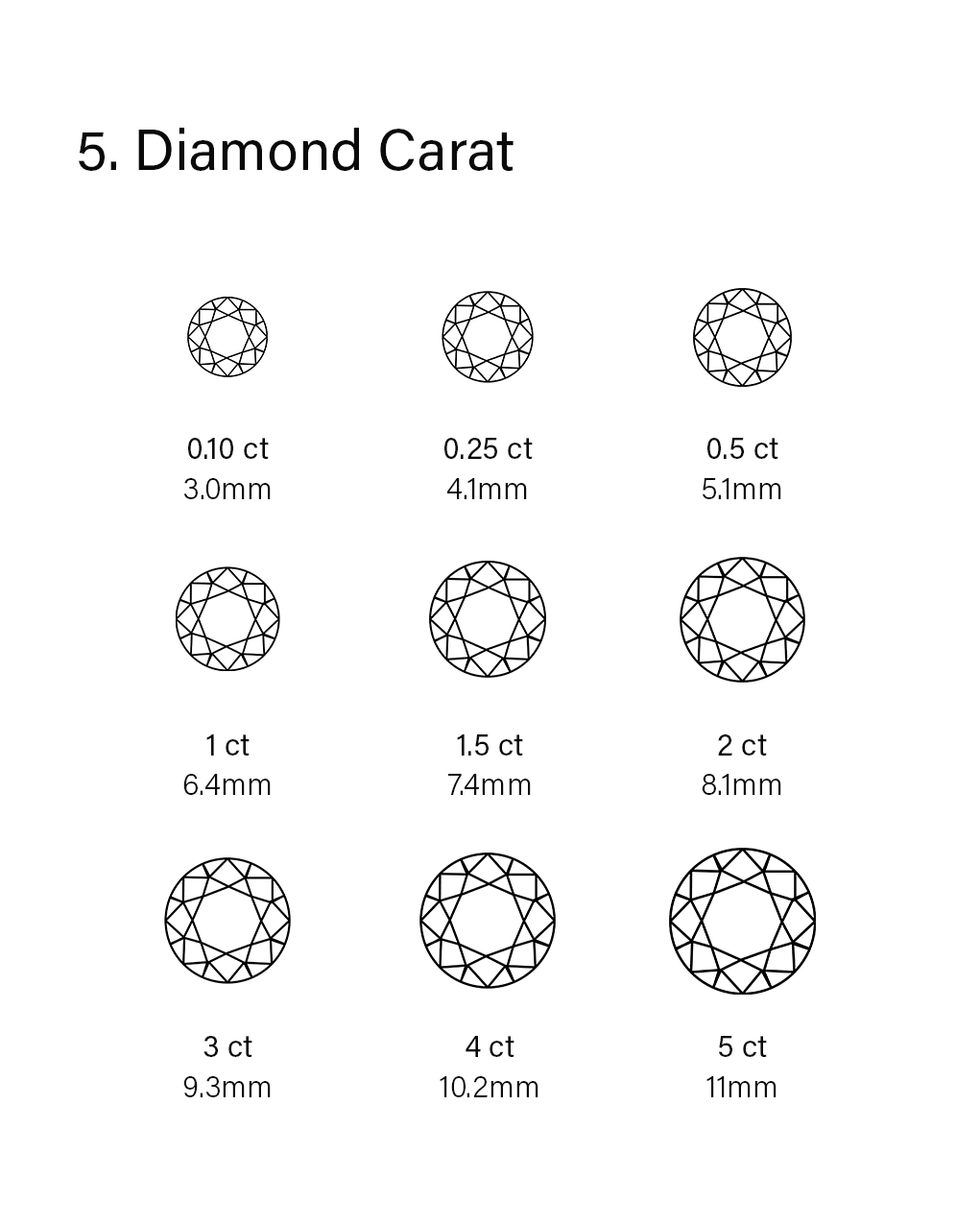
The carat speaks to the weight of the diamond, not necessarily the size. This is because diamonds may appear smaller, or larger but due to their cut may weigh more or less. It is also a common misconception that higher carat weight means a more expensive stone, which is not always the case as diamonds are priced based on a combination of weight, quality and a combination of Carat weight, Colour, Cut and shape as some stones are harder to cut than others.
Diamond Engagement Rings